


Ut tellus dolor, dapibus eget, elementum ifend cursus eleifend, elit. Aenea ifen dn tor wisi Aliquam er at volutpat. Dui ac tui end cursus eleifendrpis.

General Overview
Wind energy is the most common and at the same time inexhaustible renewable energy resource.
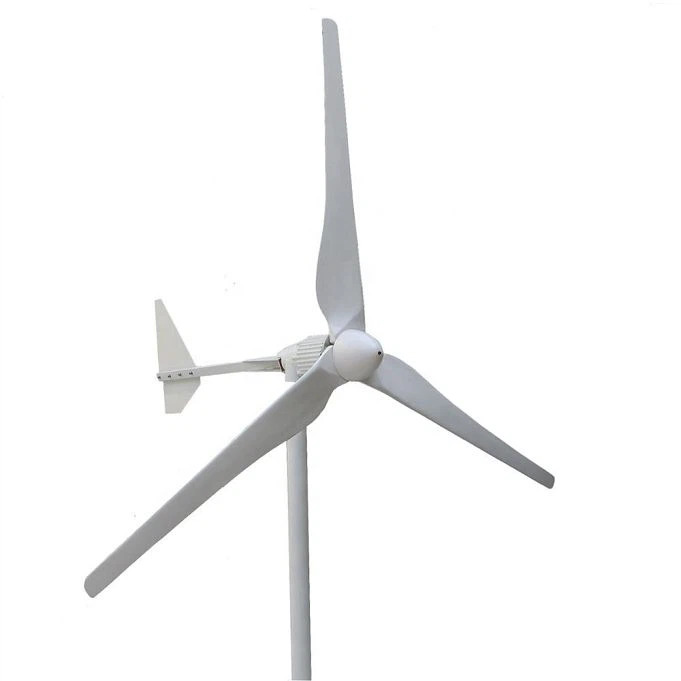
The wind generator is an electromechanical device designed to convert wind energy into mechanical energy and then into electrical energy. The electrical energy produced by wind generators can be stored in batteries and converted into 230V/50Hz alternating current. Wind electricity production does not require any type of fuel, does not pollute, and is silent.
This solution is ideal for regions with good wind energy potential and areas far from the power grid. Wind energy can provide electricity for refrigerators, water pumps, washing machines, televisions, lighting systems, power tools, communication systems, and more...
Electricity Generator
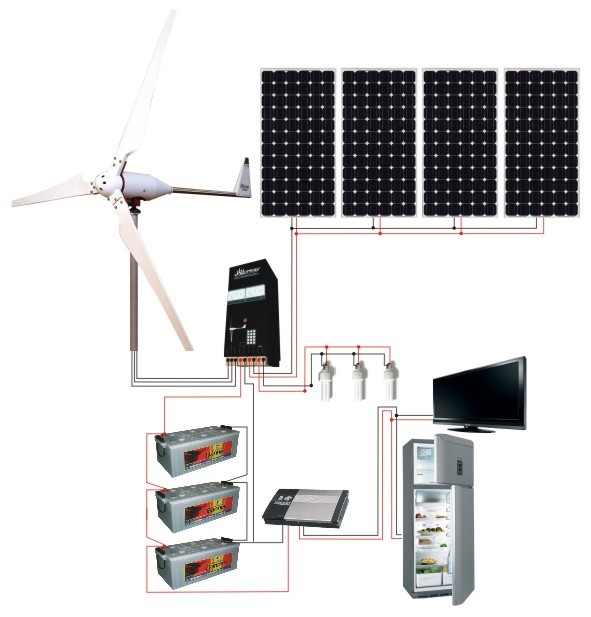
The wind system typically includes an electric generator, a battery charging controller, an inverter, a mast (tower), a variable number of accumulators, as well as other components (accessories). The wind generator operates with an alternating current output, and the controller can convert it from alternating current to direct current for charging the battery/batteries and storing electrical energy. With the help of the inverter (converter), direct current is converted into alternating current for powering electrical devices/equipment, while excess energy is stored in batteries. The charging control device ensures battery protection against overloads and excessive discharge, extending the service life.
Wind turbines can be:
• Horizontal axis (FD series)
• Vertical axis (FDV series)
Notes:
1. The kit includes: generator, blades, charging controller, mast, anchors, other parts (accessories). Batteries are NOT included.
2. Anchors for the mast with heights between 6-15 m are optional.
3. A mast without support/anchoring is optional.
4. The operating system: off-grid/on-grid (optional).
5. Delivery: 35 days for power below 3 kW, 40 days up to 5 kW, and 60 days for 10 kW (after advance payment).
Other Specifications:
1. Vertical Axis Turbines (VAT) use vertical blades and have a triangular design with a double pivot and a central wheel with the main intensity point. This design solves the issue of blade resistance to breaking, flying, or falling.
2. VATs help reduce noise and can be installed in populated/urban areas.
3. VATs withstand very strong winds and operate at low wind speeds; they effectively harness wind energy resources.
4. VATs have a small rotation radius and increased efficiency.
5. VATs can be configured in two modes: manual-mechanical and automatic-electronic.
6. VATs use permanent magnet generators, do not require gearboxes, and require no labor-intensive maintenance; periodic (e.g., semi-annual) inspection of operational components is recommended.
Notes:
Prices are in RON (Romanian Leu) and do not include VAT
Prices do not include transportation/installation for the end customer or batteries
- Installation labor costs are approximately 15% of the system's price.
| Power | 1 kW, 10 kW, 2kW, 3 kW, 300 W, 5 kW, 600 W |
|---|---|
| Blade Diameter (m) | 1,0, 1,5, 1,7, 3,0 |
| Blade Width (cm) | 140, 160, 180, 200, 240, 250 |
| Number of Blades | 5, 7 |
| Blade Material | FRP (Fiberglass Reinforced Plastic) |
| Rotation Speed (r/min) | 160, 200, 220, 80 |
| Wind Speed (m/s) | 10-11, 7-8, 8-9, 9-10 |
| Power (W) | 1000, 10000, 2000, 300, 3000, 5000, 600 |
| Max Power (W) | 11000, 1200, 2200, 3200, 450, 5200, 750 |
| Start Wind Speed (m/s) | 2, 3 |
| Operating Wind Speed (m/s) | 2-24, 3-24 |
| Output Voltage (V) | 220/110 |
| Mast Height (m) | 10, 12, 6, 8 |
| Weight | 120 kg, 230 kg, 30 kg, 45 kg, 58 kg, 74 kg, 98 kg |
| Mast Type | Steel (q 235B) |
| Output Control System | Controller, Inverter |
| Recommended 12V Batteries | 16x100Ah, 18x100Ah, 2x100Ah, 2x150Ah, 30x150Ah, 4x150Ah, 8x100Ah |
| Service Life (Years) | 20-25 |


There are no reviews yet.